
Why Workplace Emergency Response Plans Fail During Cardiac Events
(And How Organizations Can Fix It)
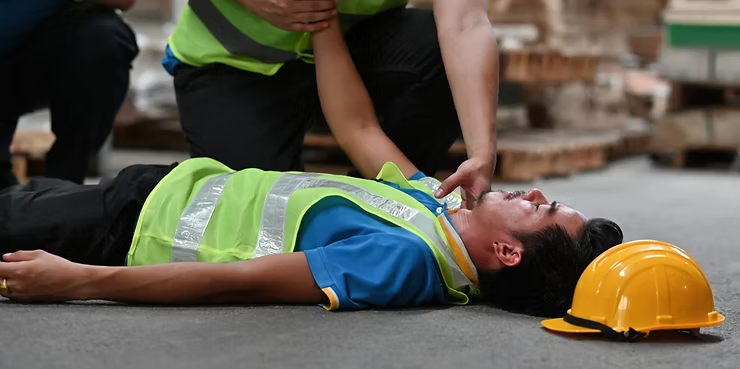
and access to an AED (Automated External Defibrillator) the chances of survival drop by 10 percent every passing minute.Many organizations assume they are ready. They have emergency manuals, evacuation procedures, and trained personnel. Yet when cardiac arrest happens, workplace emergency response plans often collapse at the very moment they are needed.This breakdown is not due to a lack of documentation. It is caused by a mismatch between how plans are designed and how cardiac emergencies actually unfold in
real life.
Cardiac Emergencies Do Not Follow the Script
Traditional emergency response planning focuses on structured and predictable
incidents such as fires or chemical spills. These events allow time to coordinate
and follow standard checklists.
A sudden cardiac arrest is different. It is immediate. It is chaotic. People nearby
must instantly recognize the event and respond within seconds. There is
no time to consult manuals or wait for help from designated
responders. Anyone present becomes the first responder.
Example
| A colleague collapses during a meeting. Some think it is fainting. Others try to wake the person or call for HR. Meanwhile, the clock is ticking. Without chest compressions and early defibrillation from an AED, survival becomes unlikely within minutes. |
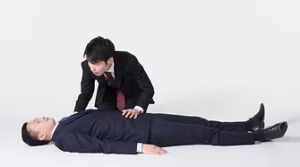 |
This proves that real cardiac response depends on action, not paperwork.
Role Confusion in the First Minutes
The most common failure in workplace cardiac emergencies is uncertainty.
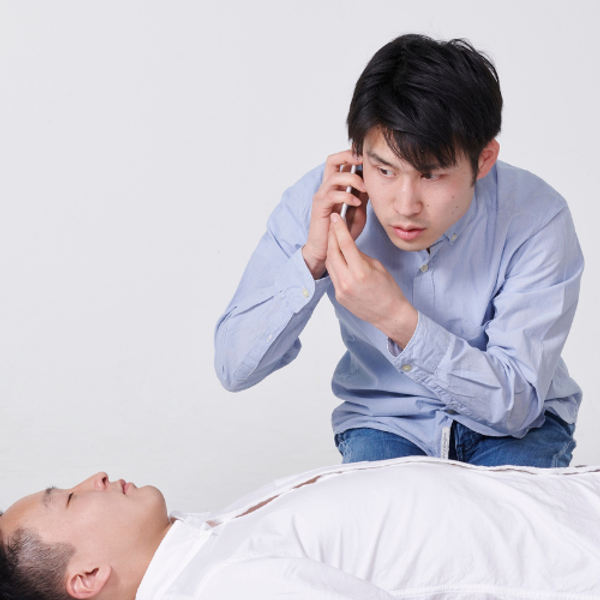
People freeze because they do not know:
 |
 |
 |
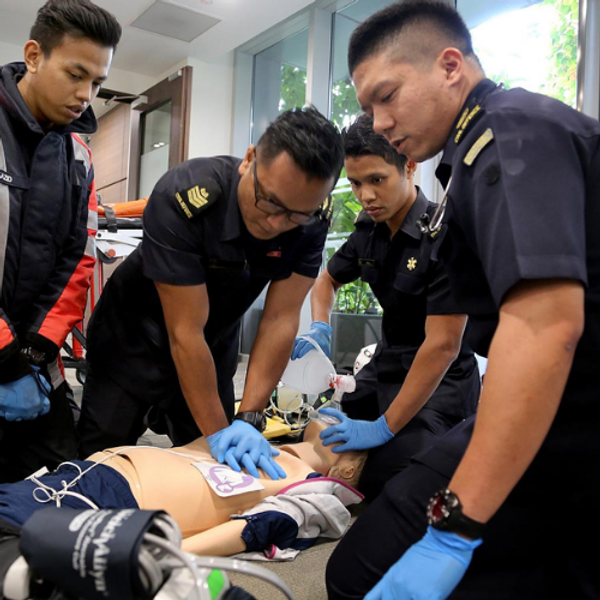 |
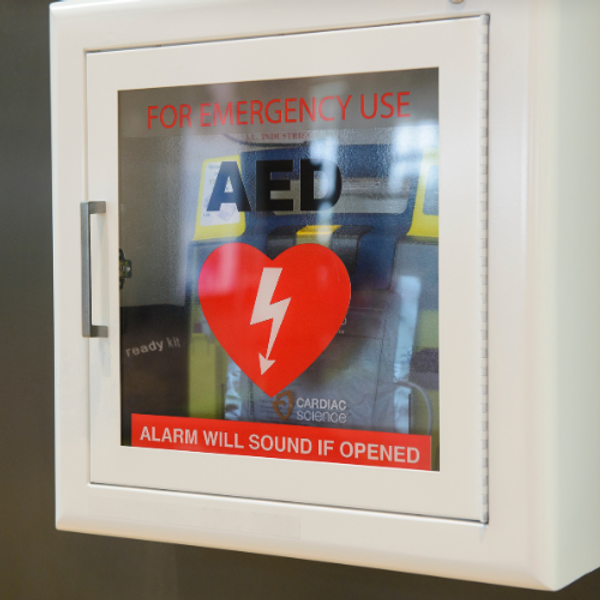
| Who calls for emergency medical services | Who performs CPR | Who retrieves the defibrillator | Who monitors the scene until help arrives |
Even well written procedures fall apart if employees do not remember what their role is. If the plan relies on specific individuals such as only first aiders,
response may stall when those people are not nearby.
To ensure fast response, everyone must understand that they have permission to act.
Confidence Matters as Much as Training
Organizations frequently invest in CPR and AED training once a year. However,
most people forget skills quickly, especially when they are rarely used.
Under high stress, hesitation is natural.
Common fears include:
- Worrying they might harm the victim
- Concern about legal liability
- Fear of using an AED incorrectly
- Anxiety in crowded or high pressure situations
The result is delay, and delay is deadly. Real preparedness requires
building confidence, simplifying instructions, and ensuring
employees know that AEDs are designed for anyone to use safely.
Modern Automated External Defibrillators such as the ZOLL AED Plus
provide real time voice and visual prompts to guide users through CPR and shock
delivery. This reduces fear and increases action.
Workplace Layout Can Hide Life Saving Equipment
Facilities often overlook physical barriers like:
|
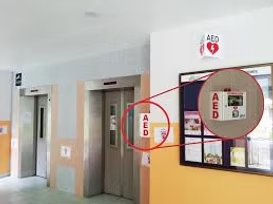 |
Every second spent searching for an AED reduces survival. In a large office tower or industrial plant, the closest defibrillator could be a three minute run away
which is already a critical delay.
A truly effective emergency response plan must be built on how the workplace is laid out, not how it appears on paper.
The Illusion of Preparedness
Many organizations assume they are ready because they have:
- A documented plan
- Some trained responders
- A defibrillator on site
However, preparedness fades without:
- Continuous refreshers
- Regular emergency drills
- Maintenance of AED batteries and pads
- Tracking staff turnover
- Reviewing past near misses
Complacency is dangerous. An AED that has expired pads or a team that has forgotten their training can fail in the only moment it is needed.
Designing for Real World ResponseTo overcome these gaps, workplaces must rethink how they structure cardiac The focus must shift toward: ✔ Speed of action ✔ Simplicity in roles and instructions ✔ Empowering everyone to help |
Key recommendations:
- Place AEDs where they are visible and accessible
within three minutes from any point on site. - Train all employees regularly and include confidence building,
not just technical knowledge. - Simplify roles. At least three people must know who calls,
who retrieves equipment, and who starts CPR. - Run realistic drills that simulate stress and urgency.
- Maintain equipment through scheduled checks and automated
alerts where available. - Use technology that guides action such as AEDs with CPR
feedback and voice instructions.
The future of cardiac emergency preparedness lies in designing systems that
match human behavior under pressure.
Reference: “Where Can You Usually Find AEDs”, Instagram Reel posted by [sgfirstAid], accessed on [Apr 2024]. Link: https://www.instagram.com/reel/C5-ZbYAOI-u/?utm_source=ig_web_copy_link
Instagram Reel
A Proactive Workplace Saves Lives
Sudden cardiac arrest is a survivable emergency when a defibrillator and CPR are
used immediately. Early action can raise survival rates from less than 10 percent
to over 70 percent in some public access defibrillation programs.
Your organization’s emergency plan should not only exist on paper. It must work
in real life to protect employees, customers, and visitors.
If you are responsible for workplace safety, now is the time to evaluate:
- How quickly can an AED reach a victim
- How confident are employees in responding
- When was your last drill
- Are responsibilities crystal clear
- Are your employees confident in operating the existing AED in an emergency?
Immediate preparedness is the only defense against sudden cardiac arrest.
By building response plans that truly reflect real world conditions,
organizations can become lifesaving environments.
Ansac Technology (S) Pte Ltd is ISO 9001 certified for quality management and BizSafe Star certified for workplace safety and health excellence.